December 22, 2025
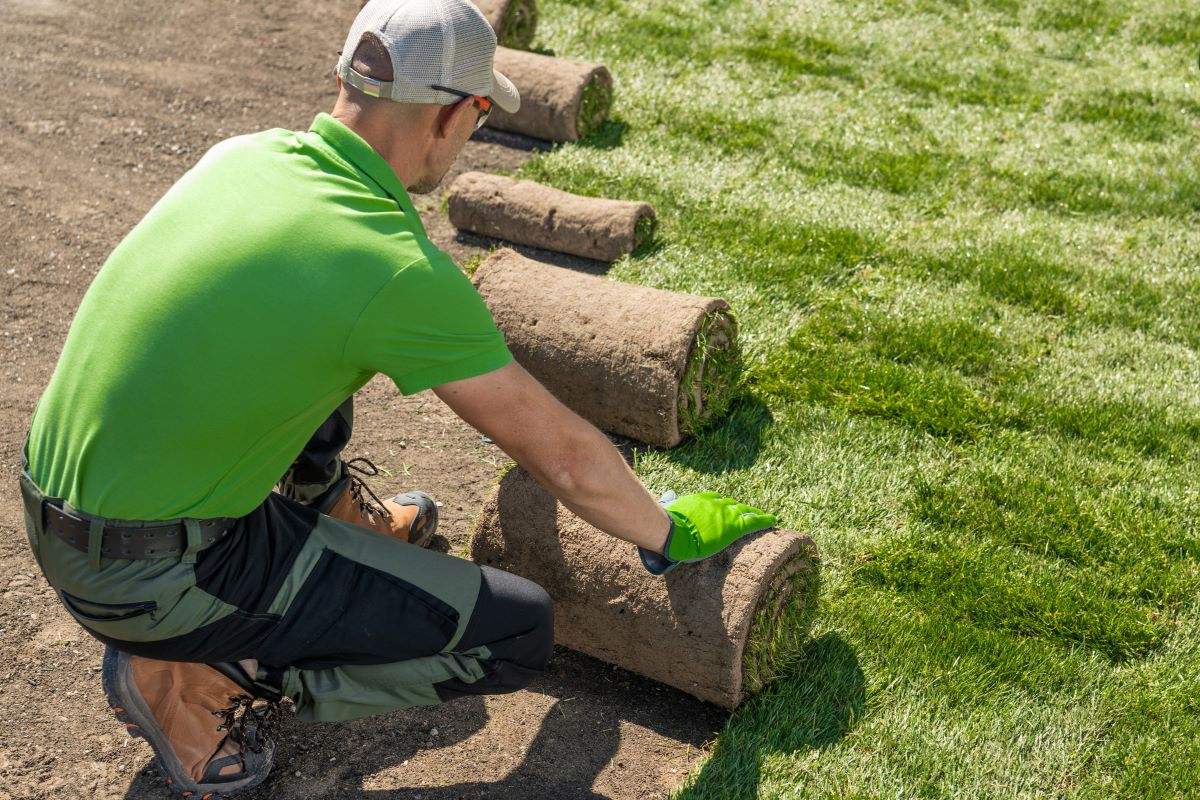
You finally did it. You’ve moved into your new home in Eagle Mountain, survived the moving boxes, and replaced that dusty dirt lot with a beautiful, vibrant carpet of green sod. It’s an amazing feeling to look out the window and see a finished yard instead of a construction site.
However, in landscaping, sod installation is just the "birth" of your lawn. The next 30 days are the most critical time in the life of your grass. In our unique Utah County climate—specifically the high-desert, windy environment of Eagle Mountain—new sod is fragile. If you treat it like an established lawn too early, it will brown, shrink, and die.
This guide will walk you through exactly how to protect your investment, save water, and ensure your lawn stays lush for years to come.
Before we dive into the schedule, we have to talk about where we live. Eagle Mountain isn't like the valley floor in Provo or Salt Lake. We have:
Understanding these factors is why you can’t just "set it and forget it" with your sprinklers.
During the first two weeks, your sod has no connection to the Earth. It is essentially living on a "life support" system provided by your sprinklers. The goal of this phase is moisture consistency.
For the first 14 days, your goal is to keep the sod and the first two inches of soil underneath it constantly moist. You aren't trying to flood the yard; you are trying to keep it from ever getting dry.
Pro Tip: Avoid watering after 6:00 PM. If the grass stays soaking wet all night without sun to dry the blades, you run a high risk of "Grey Leaf Spot" or other fungal diseases that can kill new sod overnight.
How do you know if it’s working? Around day 10, pick a spot in the middle of a sod piece and gently try to lift it by the grass blades.
This is the hardest part for families with kids or dogs. Stay off the grass. For the first 14 days, the soil underneath the sod is very soft because it is constantly wet. If you walk on it, you will leave deep footprints in the mud under the sod. Once the ground dries and hardens later, those footprints will become permanent bumps and dips in your lawn that make it uncomfortable to walk on and hard to mow.
Once you pass the two-week mark and your "tug test" shows the roots are sticking, it’s time to change your strategy. We want to stop "babies" the grass and start "training" it.
If you continue to water 3 times a day forever, the roots will stay at the surface because they have no reason to go deeper. This makes for a weak lawn.
By day 18 to 21, your grass will likely look shaggy and long. It’s time for its first haircut, but you must be careful.
By day 30, your lawn should be fully established. You can now walk on it, play fetch with the dog, and host a BBQ. But Eagle Mountain's environment still requires a specific long-term plan.
Most soil in our area is alkaline (high pH). This can make it hard for grass to absorb iron, which is what gives it that deep "dark green" look.
Eagle Mountain often has "Time of Day" watering restrictions. Generally, you should not water between 10:00 AM and 6:00 PM. Once your sod is 30 days old, you should transition to the "Deep and Infrequent" method:
Even with the best watering schedule, Utah County homeowners often run into a few specific hurdles. Because Eagle Mountain is a newer development area, the ecosystem is still settling, which can lead to unique challenges for your new turf.
Have you ever noticed gaps opening up between the rolls of sod, showing lines of dirt in between? This is almost always caused by under-watering during the first 72 hours.
If you see yellow spots, your first instinct is usually to dump more water on it. But be careful.
Don't panic if you see small mushrooms popping up in your new lawn during the first two weeks! Because you are watering 3 times a day, the soil is staying very damp—this is a perfect breeding ground for fungi.
Landscaping in Saratoga Springs and Eagle Mountain isn't a "one size fits all" job throughout the year. Your care routine must change as our mountain seasons shift.
If you install sod in June or July, you are playing the game on "Hard Mode."
Fall is the best time for sod in Utah County. The soil is warm, but the air is cool.
You can follow this guide perfectly, but if the soil wasn't prepared correctly before the sod went down, you will always be fighting an uphill battle.
At Urban Forest Landscaping, we don't just "drop and go." When we work on a home in Eagle Mountain, we focus on:
Keeping a lawn lush in Eagle Mountain isn't about luck—it's about a consistent system. By following the 3-times-a-day rule for the first two weeks, transitioning to deep soaking in week three, and keeping your mower blade high, you are doing 90% of the work required to have the best yard on the block.
Your yard is an extension of your home. It’s where your kids will play, where you’ll host summer BBQs, and it’s the first thing people see when they drive up to your house. Taking the time to care for your sod now will save you thousands of dollars in replacement costs later.
Do you have more questions about your specific yard? Whether you are dealing with a steep slope, rocky soil, or a broken sprinkler head, the team at Urban Forest Landscaping is here to help. We live and work right here in Utah County, and we know exactly what it takes to make a landscape thrive in our backyard.
Ready to start your next project? From Sod Installation and Sprinkler Repair to custom Hardscapes and Paver Patios, we are your go-to team for a beautiful outdoor space.
Call Urban Forest Landscaping today at (801) 671-8573 for a free quote! Let’s turn your Eagle Mountain dirt lot into a green oasis.



1.
In our local climate, you can typically expect sod to begin "knitting" into the soil within 10 to 14 days. However, this depends on consistent watering and soil contact. You can check progress by doing the "tug test"—gently pulling on a patch of grass to see if it resists. Full establishment, where the lawn can handle heavy foot traffic and regular mowing, usually takes about 4 to 6 weeks.
2.
This is a common issue in Eagle Mountain due to our high winds and low humidity. The edges and seams are the first parts of the sod to dry out. If you see browning at the seams, it usually means the water isn't reaching those specific spots or the sod has slightly shrunk. Make sure your sprinkler "overlap" is correct, and consider a quick hand-watering of the seams during the hottest part of the afternoon.
3.
While sod can be installed anytime the ground isn't frozen, the best times are Spring (April–May) and Fall (September–October). During these windows, the cooler air temperatures reduce "heat stress" on the grass, while the soil is warm enough to encourage fast root growth. If you install in the middle of a Utah summer, be prepared to water more frequently to keep the young roots from "cooking" in the 90-degree heat.
While we’re based in Provo, our team specializes in the unique terrain and aesthetic of Utah County’s growing communities. We are the preferred choice for hardscaping in Alpine and Spanish Fork, known for delivering "clean-slate" landscape solutions for new construction homes. Whether you are looking for paver driveways in Springville or a complete landscape remodel in Mapleton, we bring the tools, the crew, and the vision to elevate your property's value.